


KASHMIRCART Kashmiri Babribeol basil seeds product description. Grown and harvested in our own fields in Kashmir without chemical pesticides.
KASHMIRCART Rooted in Kashmir · Farming since 1977
Product notes Nº 01 · Babribeol
I · Kashmiri Babribeol · Basil Seeds
Grown in our own fields. Harvested by us.
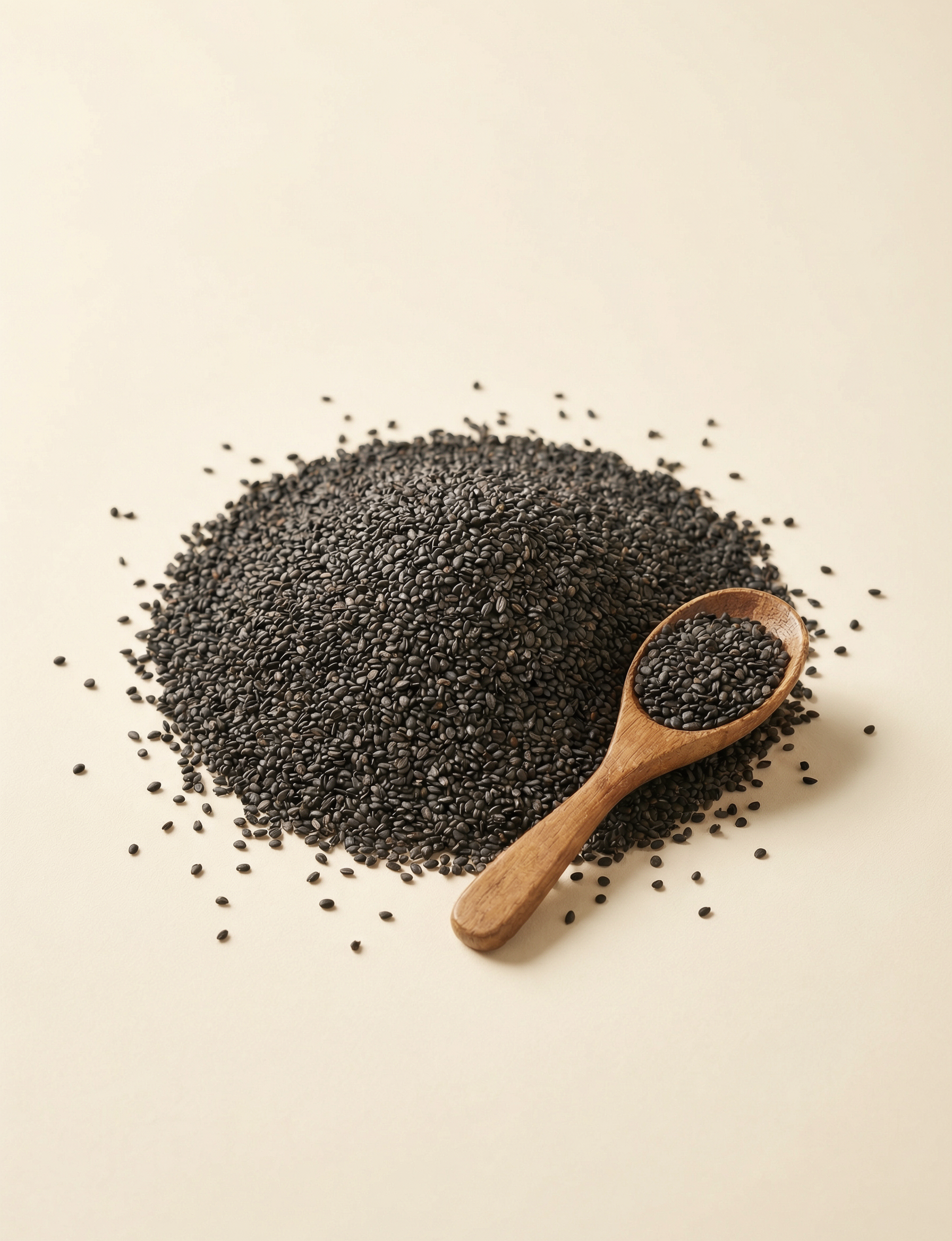
Babribeol — basil seeds, known across India as sabja or tukmaria — is part of the produce we cultivate ourselves. Grown in our own fields in Kashmir, harvested by us, and cultivated without chemical pesticides. A small, dark seed with a family farming story behind it.
Our Fields.Our Harvest.Our Kashmir.
Commonly known asBasil seeds · Sabja · Tukmaria
Available in250 g · 500 g · 1 kg
Cultivation Our own fields in Kashmir
Harvesting Carried out by KASHMIRCART
Farming practice No chemical pesticides used
Pack sizes 250 g · 500 g · 1 kg
II · From our fields to your pantry
Not just sourced. Grown by us.
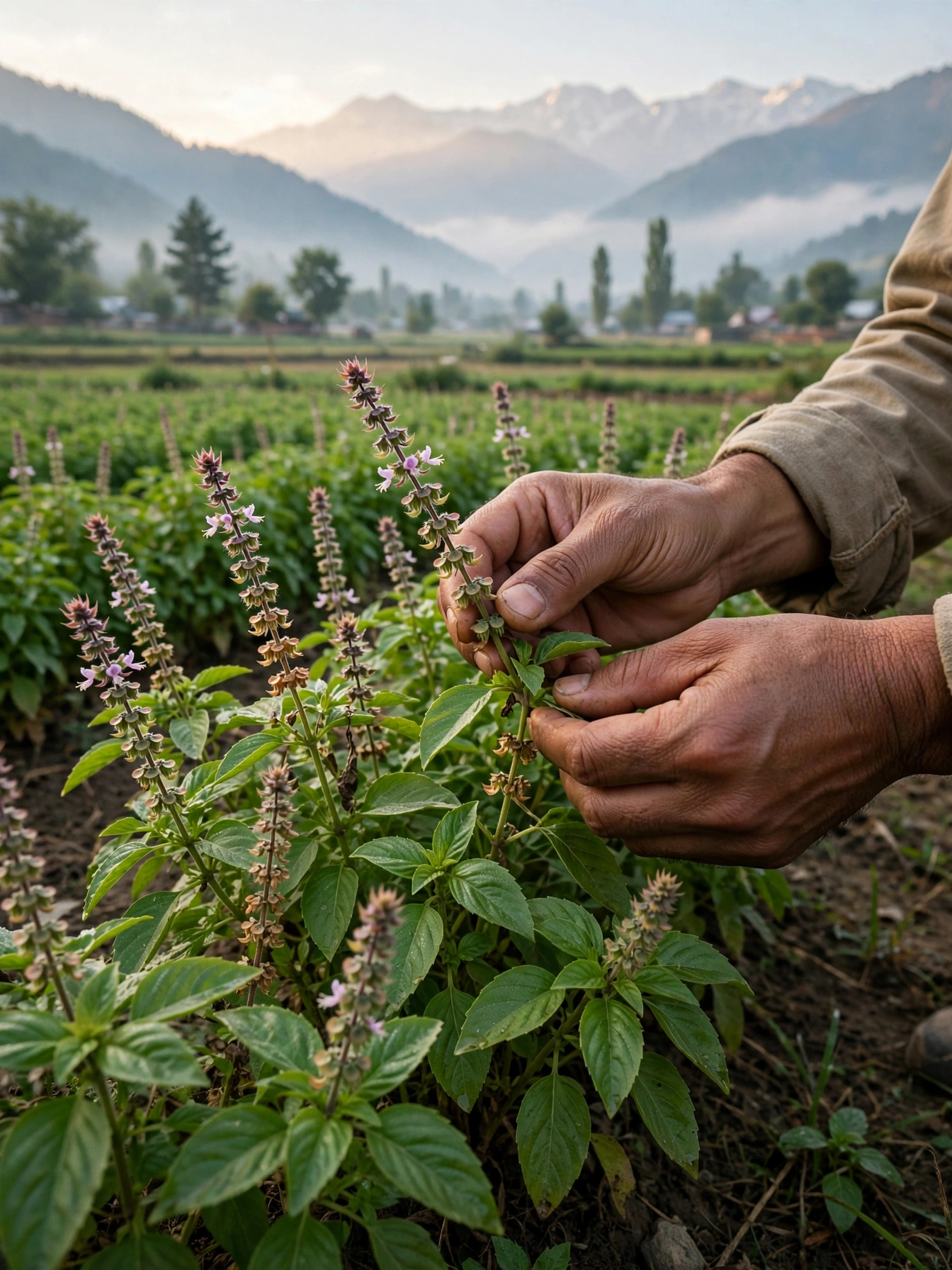
At KASHMIRCART, we believe the story of a product begins long before it reaches your kitchen. Our Babribeol is cultivated and harvested in our own fields in Kashmir. We follow our farming practices without using chemical pesticides, keeping our connection to the land at the heart of what we bring to you.
-
01The land
Our Fields
Babribeol is cultivated in our own fields in Kashmir — close to the family farming roots we have carried since 1977.
-
02The practice
Our Farming
We follow our own organic farming practices and do not use chemical pesticides in the cultivation of our Babribeol.
-
03The harvest
Our Harvest
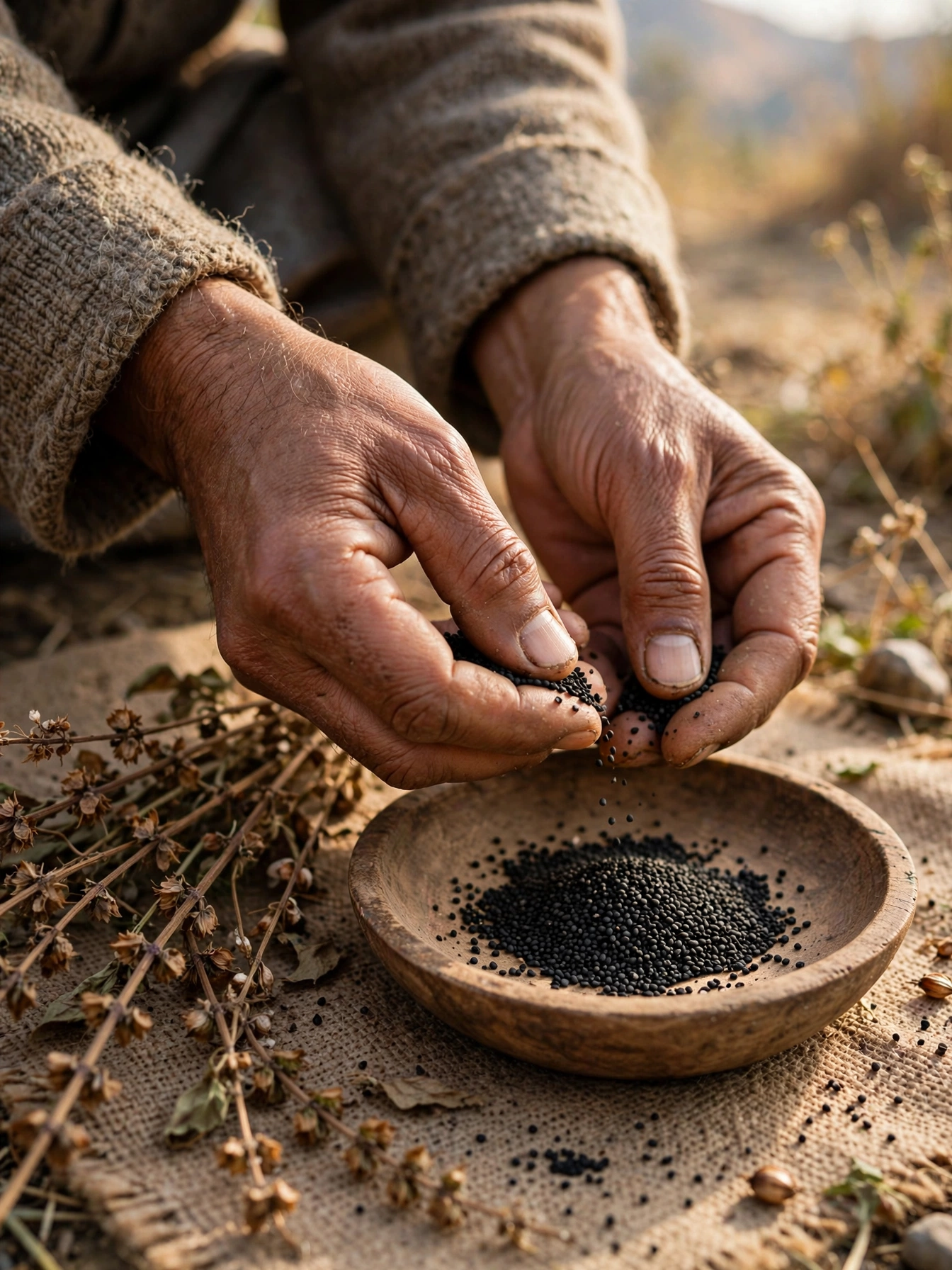
The seeds are harvested by us — a direct connection between our agricultural work and the packet that reaches you.
-
04The kitchen
Your Pantry
From our fields to your pantry. Packed and sent by KASHMIRCART in Kashmir to kitchens across India.
A note on the artworkThese are original KASHMIRCART illustrations, not photographs of our fields. Our organic description refers to our cultivation practice, not third-party certification.
III · Identity
A little seed with a distinctive character.
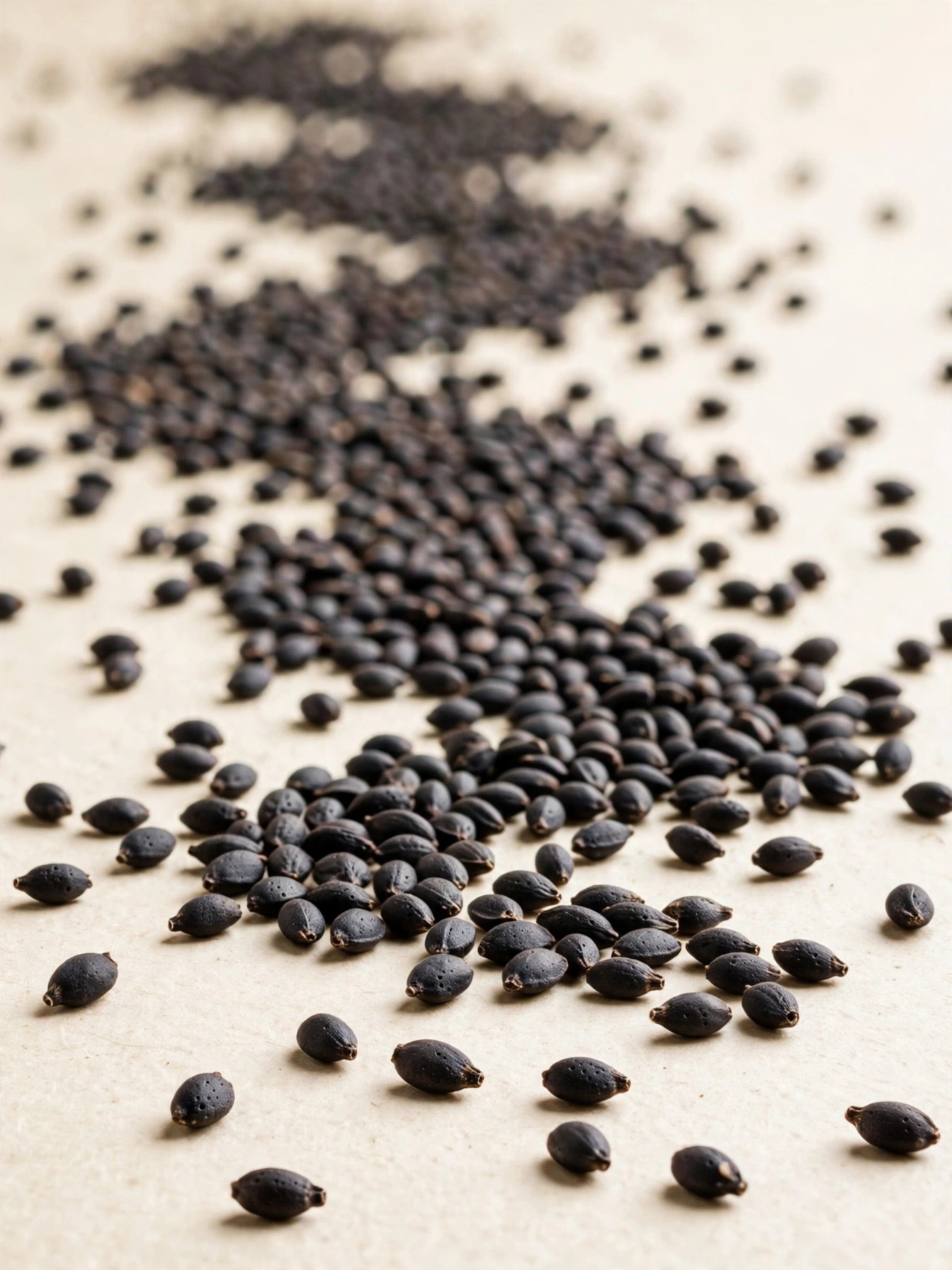
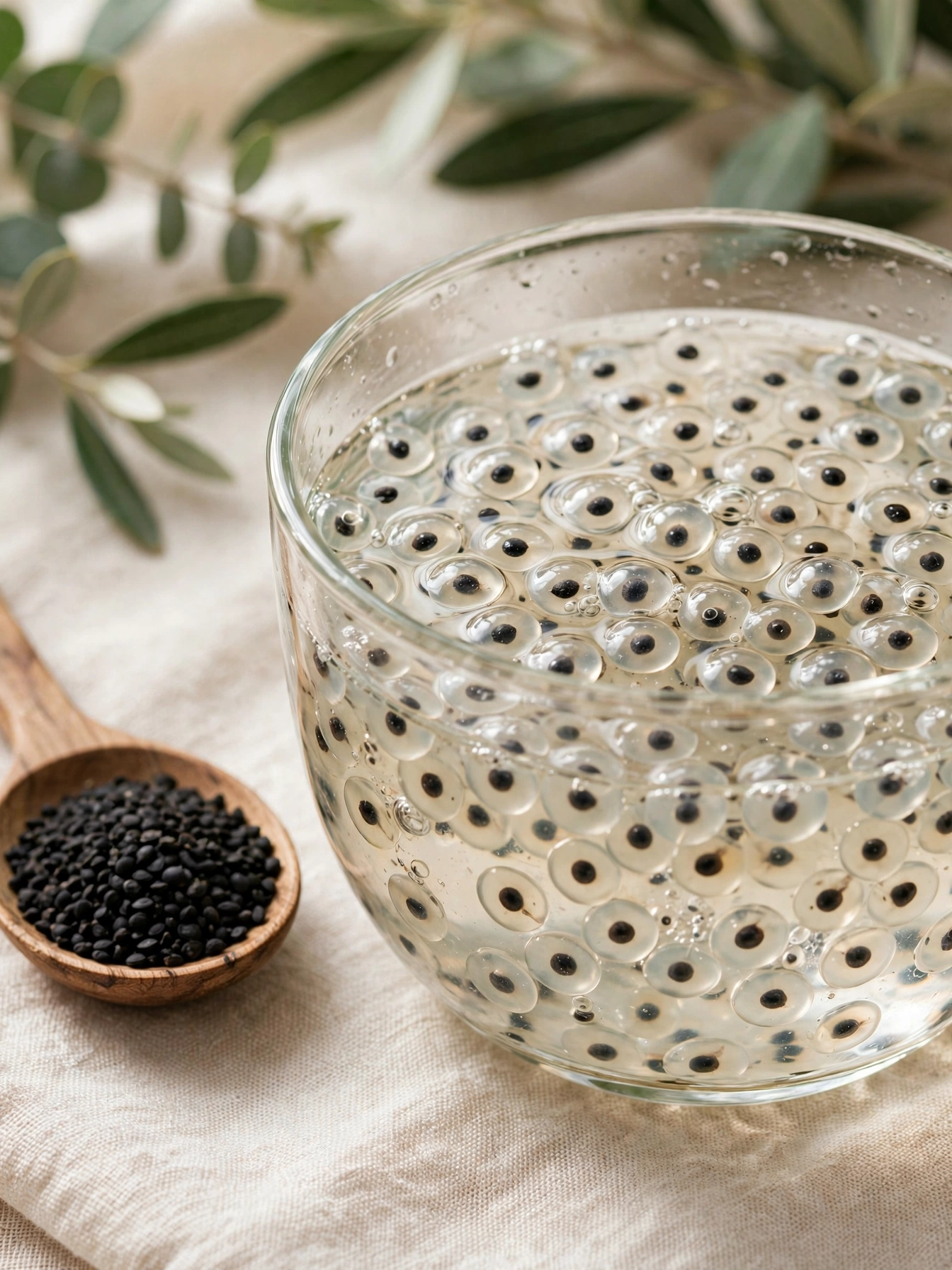
Babribeol is the Kashmiri name for basil seeds — also called sabja or tukmaria in different parts of India. They are small, dark seeds from the basil plant. Plain and unassuming in the packet, they take on a different character once they meet water.
When soaked, the seeds absorb moisture and develop a soft, translucent gel-like coating. That texture is why they are traditionally added to cooling drinks, sherbets and desserts.
- Our name
- Babribeol
- Common name
- Basil seeds
- Also known as
- Sabja · Tukmaria
- Appearance
- Small and dark
- In water
- Absorbs moisture, forming a translucent gel-like coating
Basil seeds are not chia seeds.
They are different seeds from different plants. Babribeol are small and dark, while chia seeds are typically mottled grey, brown and white. Both may form a gel when soaked, but they should not be treated as the same ingredient.
IV · Water & time
The soaking transformation.
Nothing needs to be added for this change to happen. Dry Babribeol seeds plus clean water and a little patience are all it takes.
Dry Babribeol
Small, dark seeds with a firm, dry surface — the form you receive in the packet.
Soaking in water
Add the seeds to clean drinking water. Over roughly 15–20 minutes, they begin to absorb it.
Fully soaked
The seeds swell and each develops its characteristic soft, translucent coating, ready to add to a recipe.
An important distinction: basil seeds are not chia seeds. They come from different plants and look different, even though both can develop a gel-like coating when soaked.
V · Why ours
A packet with a known beginning.
What sets our Babribeol apart is not a list of claims, but our relationship with the land it comes from. Here is what we can tell you plainly.
Grown in our own fields
This Babribeol is cultivated by KASHMIRCART in our own fields in Kashmir.
Harvested by us
A direct connection to our own agricultural work, from harvest to the pack we send you.
No chemical pesticides
We do not use chemical pesticides in the cultivation of our Babribeol. This is our stated farming practice.
Organically cultivated
We describe our approach as organic because of how we farm — without chemical pesticides. This is not a claim of third-party certification.
A versatile ingredient
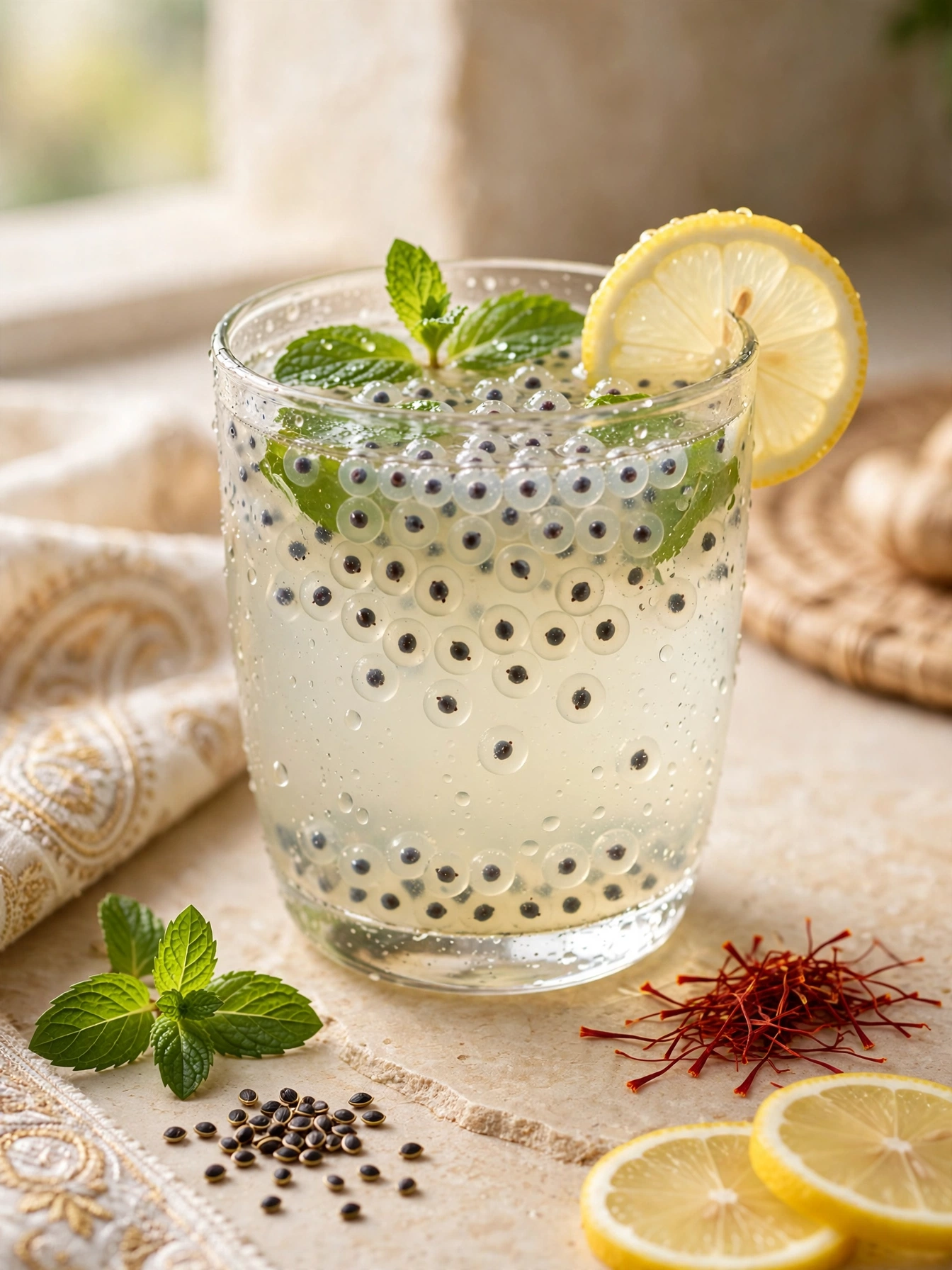
Soaked seeds suit drinks, sherbets, smoothies, yogurt bowls and falooda-style desserts.
Kashmiri agricultural roots
A product connected to our own fields and a family farming story carried in Kashmir since 1977.
These are product attributes, not medical or nutritional claims. Our reference to organic cultivation describes our farming approach and does not imply third-party organic certification.
VI · Preparation
Simple to prepare. Easy to enjoy.
Babribeol needs a little water and a little time before it is ready to use. Here is how to soak basil seeds in five simple steps, before adding them to the drink or dessert you have in mind.
-
01
Measure 1–2 teaspoons
Measure roughly one to two teaspoons of dry Babribeol seeds.
-
02
Add clean drinking water
Place the seeds in a bowl or glass and add clean drinking water.
-
03
Soak for 15–20 minutes
Allow the seeds to soak for approximately fifteen to twenty minutes.
-
04
Wait for the gel coating
Check that the seeds have swollen and developed their characteristic gel-like coating.
-
05
Add to your recipe
Stir the soaked seeds into your chosen beverage or dessert and enjoy.
✦Soaking times can vary with the quantity of seeds, the water and the conditions. Always soak them adequately before consumption — wait until they are fully swollen and gel-coated.
VII · At the table
A little creativity in every serving.
Soaked Babribeol is at home in both simple and celebratory recipes. These are serving ideas, not fixed formulas — adjust them to your own kitchen.
Summer coolers
Stir soaked seeds into chilled lemonade, rose or fruit drinks.
Homemade sherbets
A spoonful of soaked seeds adds its soft texture to a chilled sherbet.
Milk & falooda
Use in milk-based drinks and falooda-style layered desserts.
Smoothies
Blend fruit smoothies and stir in soaked seeds before serving.
Yogurt bowls
Spoon soaked seeds over curd or yogurt with your favourite toppings.
Fruit desserts
Fold into fruit bowls, fruit-based desserts or other homemade recipes.
Milk, sugar, honey, saffron, cardamom and dry fruits are optional additions to your own recipe. They are not included with the Babribeol seeds.
VIII · Product details
The product, in detail.
| Product | Kashmiri Babribeol |
|---|---|
| Common name | Basil seeds |
| Also known as | Sabja / Tukmaria |
| Product form | Seeds |
| Cultivation | Our own fields in Kashmir |
| Harvesting | By KASHMIRCART |
| Farming practice | No chemical pesticides used |
| Preparation | Soak adequately before consumption |
| Available weights | 250 g, 500 g, 1 kg |
We have kept this list to details we can state with confidence. Nutrition figures, shelf life, batch details and similar information are not listed here; please refer to the product packaging supplied with your order.
IX · Store with care
Keep the seeds dry and ready.
- Store in a cool, dry place.
- Protect the seeds from moisture.
- Keep in an airtight container after opening, if this is consistent with the packaging guidance.
- Soak adequately before consumption.
- Follow any additional instructions printed on the actual product packaging.
X · Asked, answered
Questions from the kitchen.
Fourteen questions · direct answers
Babribeol is the Kashmiri name for basil seeds. Our Babribeol is cultivated and harvested in our own fields in Kashmir. The small, dark seeds are soaked in water before being added to drinks and desserts.
Yes. Babribeol is our Kashmiri name for basil seeds. The product you receive is basil seeds.
Yes. Sabja and Tukmaria are common names for basil seeds in different parts of India. They refer to the same ingredient that we sell as Babribeol, not to chia seeds.
Yes. This Babribeol is cultivated and harvested in our own fields in Kashmir. Not every product sold by KASHMIRCART is grown on our own farms; this is one that we cultivate and harvest ourselves.
Our Babribeol is cultivated in our own fields in Kashmir. You can read more about the family's agricultural background and approach on our farms and farming page.
No. We do not use chemical pesticides in the cultivation of our Babribeol. This is our stated cultivation practice.
We describe it as organically cultivated because of the way we farm: following our own organic farming practices, without chemical pesticides. This statement describes our cultivation approach.
Our Babribeol is cultivated in our own fields using our stated organic farming practices, without chemical pesticides. We do not claim third-party organic certification unless such certification is available and documented. We do not display an organic certification mark on this product.
Soak one to two teaspoons of seeds in clean drinking water for approximately 15–20 minutes. Time can vary with the quantity, water and conditions, so wait until the seeds are fully swollen and coated in gel before you eat them. Soak adequately before consumption.
The outer layer of a basil seed absorbs water and swells, producing the soft, translucent coating you see around each soaked seed. It is a physical response to water, not an added ingredient. Basil seeds and chia seeds both gel in water, but they are different ingredients.
Yes. Once adequately soaked, the seeds can be added to milk-based beverages and homemade sherbets. Ingredients such as milk, sugar or honey, saffron, cardamom and dry fruits are optional additions to your own recipe and are not included with the Babribeol seeds.
Try them in summer coolers, lemonade and fruit drinks, homemade sherbets, milk-based drinks, falooda-style desserts, smoothies, yogurt bowls and fruit-based desserts. These are serving suggestions — taste and texture are a matter of personal preference.
Store the seeds in a cool, dry place, protected from moisture. After opening, keep them in an airtight container if this is consistent with the packaging guidance, and follow any additional instructions printed on the actual product packaging.
KASHMIRCART Babribeol is available in 250 g, 500 g and 1 kg pack sizes.
From our fields to your home
Grown in our own fields. Harvested by us. Rooted in Kashmir.
That is the quiet difference behind this packet of Babribeol. Not a promise of perfection, but a direct link to the land, the farming and the people behind it.
Product note: This description presents our Babribeol and our stated cultivation practices. It is not medical or nutritional advice. Not every product sold by KASHMIRCART is grown on our own farms; this Babribeol is one we cultivate and harvest ourselves. Illustrations on this page are original KASHMIRCART artwork, not photographs of our fields.
KASHMIRCART · Rooted in Kashmir · Farming since 1977
Product notes Nº 01 · Kashmiri Babribeol


Reviews
There are no reviews yet.